What Is a Digital Menu System? The Smart Solution for Modern Businesses (2026 Guide)
What Is a Digital Menu System?
A Digital Menu System is a modern solution that allows restaurants, cafés, hotels, bars, bakeries, and other food businesses to display their menus online. Instead of using printed menus, customers can simply scan a QR code with their smartphones and instantly browse the menu.
As customer expectations continue to evolve, businesses are looking for faster, more convenient, and more engaging ways to present their products. Digital menu systems meet these expectations by offering an interactive experience while simplifying menu management.
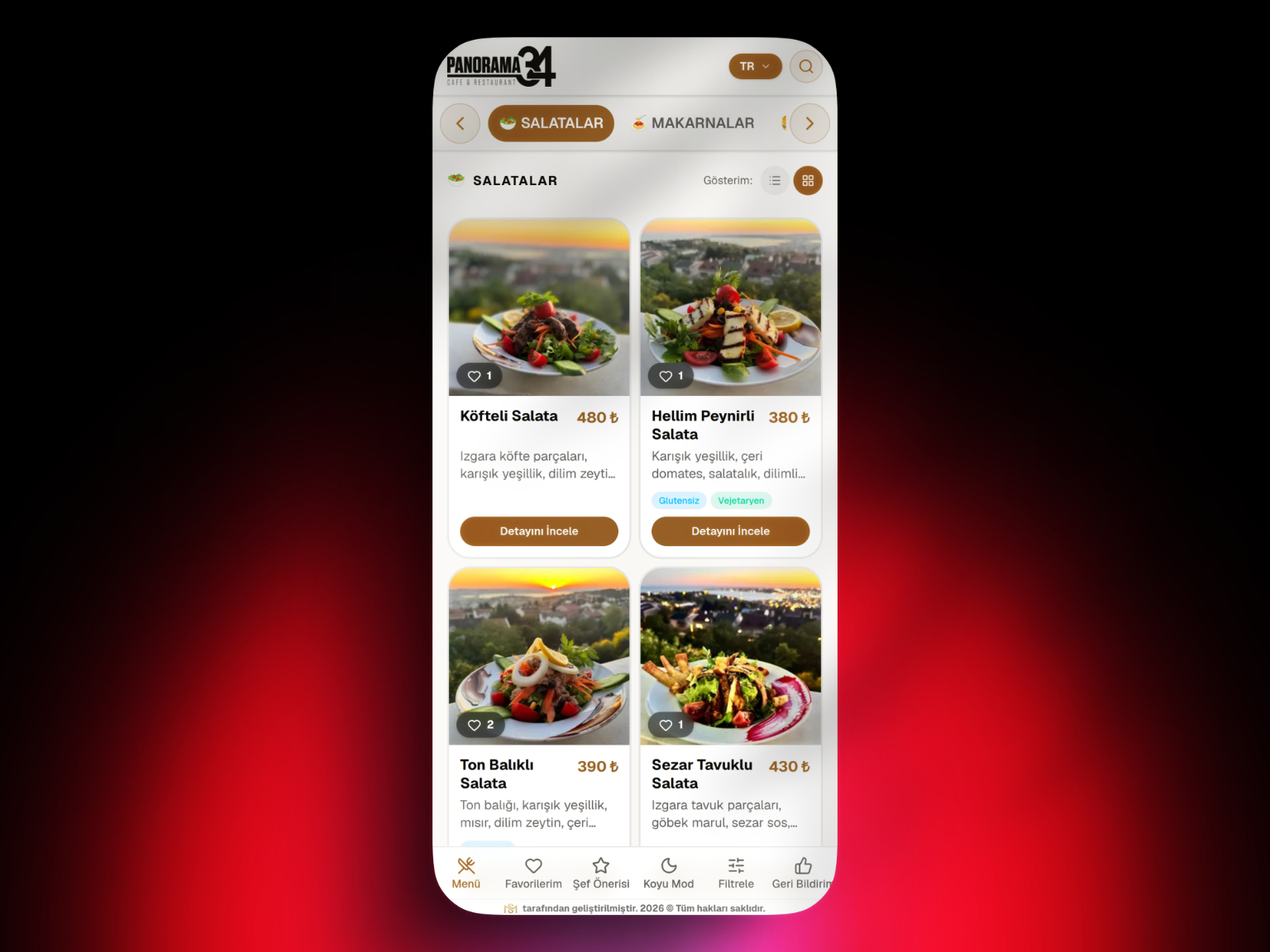
Today's digital menus are far more than simple PDF files. They include product images, detailed descriptions, allergen information, multiple languages, categories, pricing management, promotional banners, favorites, and many other advanced features.
How Does a Digital Menu System Work?
The process is incredibly simple.
A digital menu is created specifically for your business.
A unique QR code is generated.
The QR code is placed on restaurant tables, counters, brochures, or promotional materials.
Customers scan the QR code using their smartphone camera.
The menu opens instantly in their web browser.
No application download is required.
No registration is needed.
The business owner can update products, prices, categories, and promotions at any time through an easy-to-use administration panel.
Changes become visible immediately without printing new menus.
Is a QR Code Menu the Same as a Digital Menu?
Although these terms are often used interchangeably, they are not exactly the same.
A QR Code Menu is the method customers use to access the menu.
A Digital Menu System is the complete software platform that manages menu content, categories, products, languages, pricing, and customer experience.
Simply put:
QR Code → Opens the Digital Menu System
Why Are More Businesses Switching to Digital Menus?
The food service industry is becoming increasingly digital.
Customers now expect quick access to information without waiting for printed menus or staff assistance.
Digital menus improve both operational efficiency and customer satisfaction.
Here are the biggest advantages.
1. Reduce Printing Costs
Printed menus become outdated quickly.
Prices change.
New dishes are added.
Seasonal products appear.
Special promotions are introduced.
Every update means printing new menus.
With a digital menu, updates take only a few seconds and are instantly available to every customer.
2. Faster Customer Experience
Customers can access the menu immediately after sitting down.
There is no need to wait for a server to bring a printed menu.
This creates a smoother dining experience while helping restaurants serve customers more efficiently during busy hours.
3. Beautiful Food Images Can Increase Sales
People often buy with their eyes first.
High-quality food photography can encourage customers to order desserts, beverages, side dishes, or premium menu items.
A visually appealing menu can significantly improve customer engagement.
4. Multi-Language Support
Tourists appreciate menus they can understand.
Modern digital menu platforms support multiple languages such as:
English
Turkish
German
French
Arabic
Russian
Spanish
Italian
Customers simply select their preferred language.
This helps reduce misunderstandings while creating a better dining experience.
5. Instant Menu Updates
Need to increase prices?
Add a new product?
Remove an item that's out of stock?
Everything can be updated within minutes from a single dashboard.
No reprinting.
No redesign.
No delays.
6. Environmentally Friendly
Thousands of printed menus end up in the trash every year.
Digital menus reduce paper consumption and contribute to environmentally responsible business practices.
Many customers also appreciate sustainable businesses.
Which Businesses Can Use Digital Menu Systems?
Digital menus are suitable for businesses of every size, including:
Restaurants
Cafés
Coffee Shops
Hotels
Resorts
Bars
Beach Clubs
Bakeries
Dessert Shops
Ice Cream Shops
Fast Food Restaurants
Food Trucks
Steak Houses
Seafood Restaurants
Lounges
Cafeterias
Hookah Cafés
Tea Gardens
Essential Features Every Digital Menu Should Have
Choosing the right digital menu software is important.
A professional solution should include the following features.
Mobile-Friendly Design
Most customers browse menus on smartphones.
A responsive design ensures a smooth experience on every screen size.
Fast Loading Speed
Customers don't like waiting.
A fast-loading menu improves user satisfaction and may also contribute positively to search engine visibility.
Easy Menu Management
Business owners should be able to:
Add products
Edit prices
Create categories
Upload images
Manage promotions
without needing technical knowledge.
Product Images
Professional food photography creates a stronger first impression and encourages customers to explore more items.
Allergen Information
Many customers have dietary restrictions.
Displaying allergens such as:
Gluten
Milk
Nuts
Eggs
Seafood
helps customers make informed choices.
Dietary Labels
Modern menus should support labels including:
Vegan
Vegetarian
Gluten-Free
Dairy-Free
Spicy
Sugar-Free
These labels improve usability for customers with specific dietary preferences.
Dark & Light Mode
Offering both dark and light themes provides a more comfortable browsing experience depending on lighting conditions.
Multi-Branch Management
Businesses with multiple locations should be able to manage all branches from one centralized dashboard.
Can Digital Menu Systems Improve SEO?
Yes.
When built with SEO best practices, digital menu systems can strengthen a business's online visibility.
Optimized menu pages with descriptive URLs, original product descriptions, optimized images, and fast loading times help search engines better understand your content.
A searchable menu can also support your overall digital marketing strategy by making your business easier to discover online.
What Should You Consider Before Choosing a Digital Menu Platform?
Before making a decision, ask these questions:
Is the menu mobile-friendly?
Does it load quickly?
Does it support multiple languages?
Is QR code generation included?
Can I add unlimited products?
Can I organize products into categories?
Can I upload images?
Is the admin panel easy to use?
Is technical support available?
Is the platform secure with SSL?
Does the software receive regular updates?
Common Misconceptions About Digital Menus
"QR Code Menus Are Difficult to Use."
False.
Modern smartphones have built-in QR code scanners.
No additional application is required.
"Only Large Restaurants Need Digital Menus."
Not true.
Even a small café with just a few tables can benefit from a digital menu system.
"Printed Menus Look More Professional."
Customer expectations have changed.
Many people now associate digital menus with innovation, convenience, and modern service.
"Digital Menu Systems Are Expensive."
Compared to repeatedly printing new menus, digital menu software often becomes more cost-effective over time.
The Future of Digital Menu Technology
Digital menu platforms continue to evolve rapidly.
Artificial intelligence, personalized product recommendations, contactless ordering, voice-enabled menus, and augmented reality (AR) experiences are expected to become increasingly common.
Digital menus are no longer just menus—they are becoming complete customer experience platforms.
Final Thoughts
Digital menu systems have become an essential tool for modern restaurants and hospitality businesses.
They reduce operational costs, simplify menu management, improve customer experience, support multiple languages, and strengthen your digital presence.
Whether you own a small café or manage a large restaurant chain, adopting a professional digital menu solution can help your business stay competitive in today's digital-first world.
As customer expectations continue to evolve, investing in a modern digital menu system is no longer just an option—it's a smart business decision.