
QR Menu vs Printed Menu: Cost, Customer Experience and Operations Compared
There is no single answer to whether QR or printed menus are better for every restaurant. The right choice depends on update frequency, customer profile, concept, connectivity, and the role a physical menu plays in the brand experience.
Quick Comparison
| Criterion | Printed Menu | QR Menu |
|---|---|---|
| Initial use | Direct and familiar | Requires scanning with a phone |
| Price updates | May require reprinting | Can be updated digitally |
| Recurring printing | Yes | Can be reduced |
| Multiple languages | Requires extra pages or versions | Can be managed digitally |
| Product detail | Limited by physical space | More flexible |
| Phone required | No | Yes |
| Internet dependency | No | Yes for web-based systems |
| Physical brand feel | Can be strong | Depends on digital experience |
1. Cost
Printed menus may involve design, printing, lamination, or binding costs. Restaurants with frequent changes can face recurring reprint costs.
QR menus can involve software or service fees, but product and price changes do not necessarily require another physical print run.
2. Update Speed and Operations
Printed menu changes can require new design files and printing. Managed QR menu systems can publish updates much faster.
See What Is a Digital Menu System? for platform-management differences.
3. Customer Experience
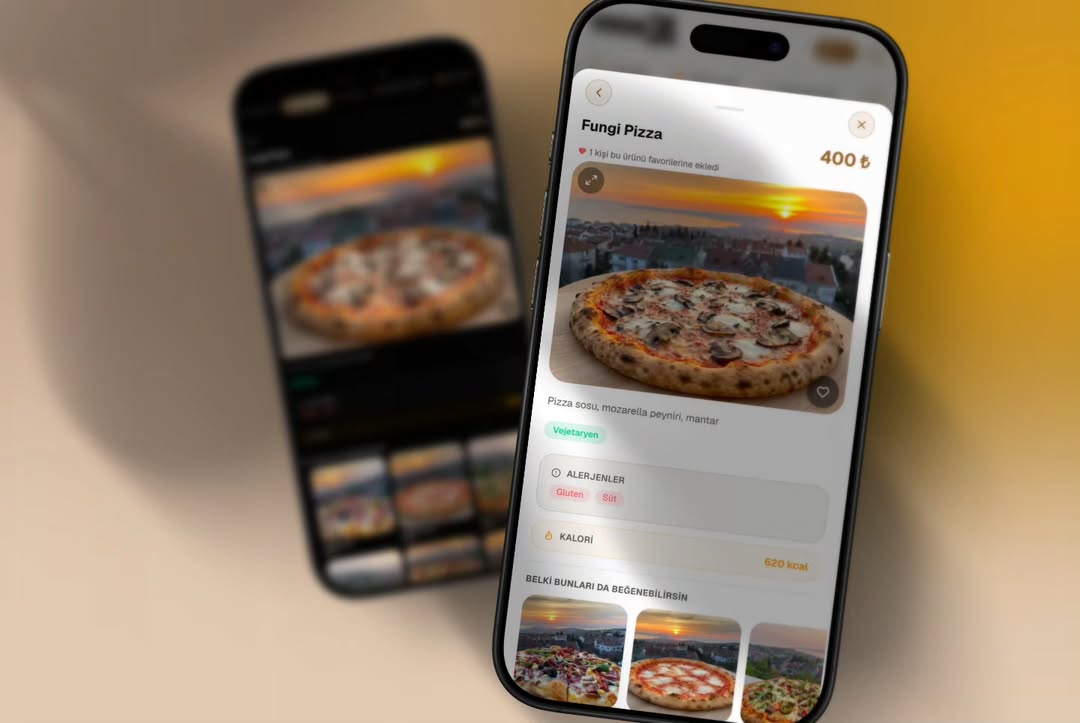
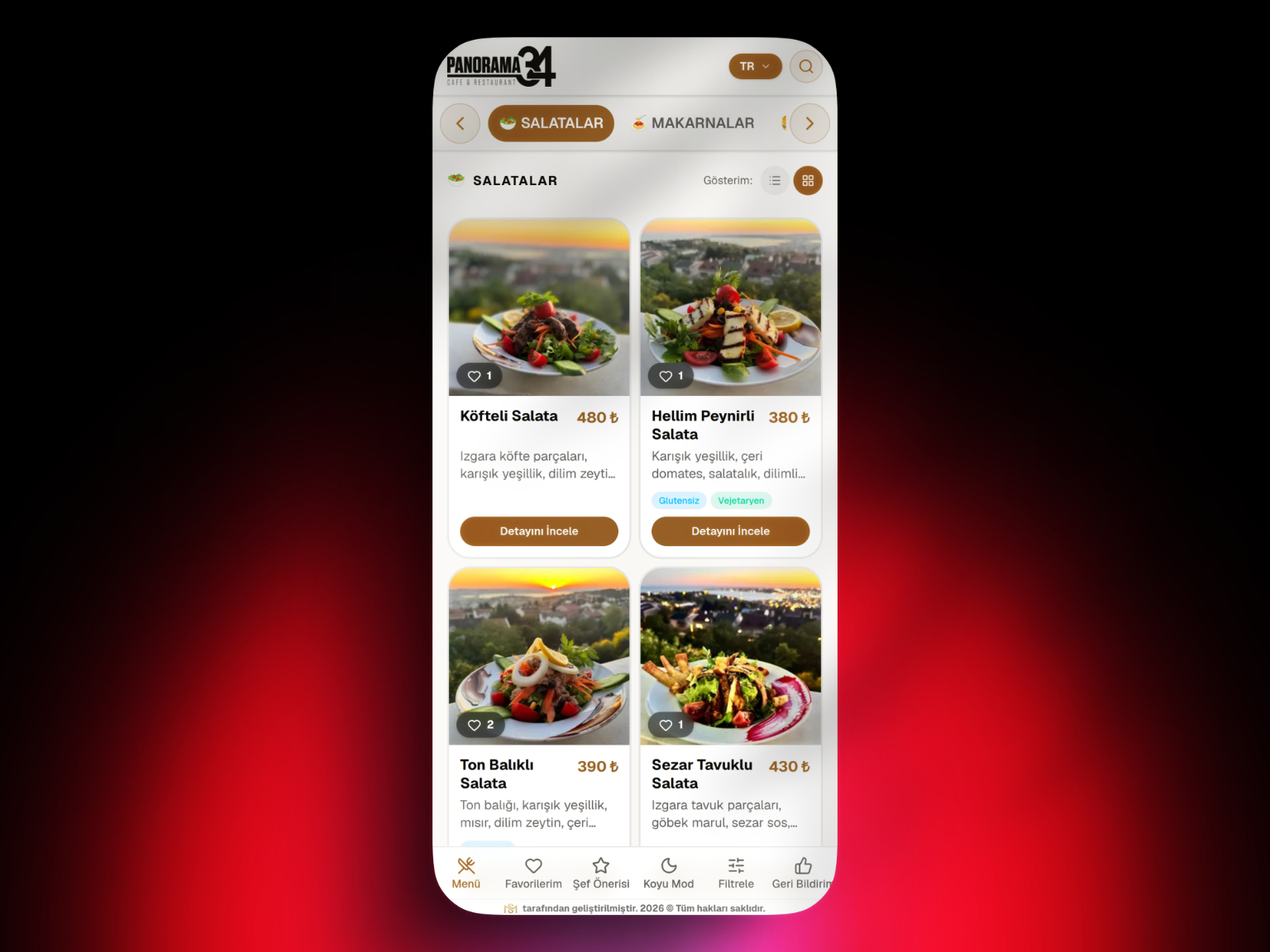
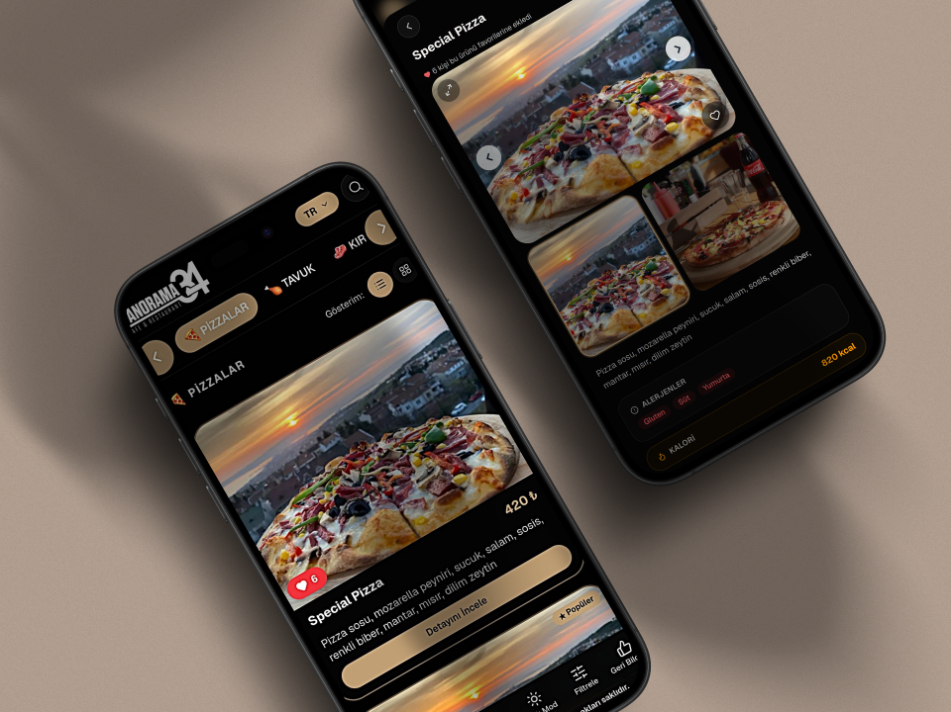
Printed menus are familiar and require no phone or connection. QR menus can provide flexible navigation, languages, photos, and detailed information when designed well.
For mobile usability, see our QR Menu UX Guide.
4. Accessibility
Printed menus may be easier for some guests who do not have a suitable phone or prefer a physical format. Digital menus can offer other accessibility advantages when designed carefully.
5. Hygiene
QR menus can reduce contact with shared physical menus because guests use their own devices. Menu format, however, is only one part of overall restaurant hygiene.
6. Brand Experience
High-quality printed menus can be part of a fine-dining or tactile brand experience. A well-designed digital menu may better support technology-oriented or fast-service concepts.
7. Sustainability
Reducing repeated printing can lower paper use, although digital systems also have environmental costs associated with servers and devices.
8. Internet and Technical Dependency
Printed menus do not depend on connectivity. Web-based QR menus depend on both the guest's connection and the availability of the menu service.
When Does a QR Menu Make More Sense?
- Frequent price or product changes
- Multiple-language requirements
- Multi-location operations
- Rich product photography and descriptions
- Centralized menu management
For the broader QR menu topic, see our complete QR Menu Guide.
When Does a Printed Menu Make More Sense?
- Very stable menus
- Concepts where the physical menu is an important brand element
- Customer groups with limited phone use
- Locations with unreliable connectivity
Hybrid Model
Many restaurants can use QR as the primary or complementary channel while keeping a small number of printed menus available on request.
7 Questions to Ask Before Deciding
- How often do our prices change?
- How often do we add or remove products?
- How many languages do we need?
- Is our audience comfortable using phones for menus?
- How important is the physical menu to our brand?
- Is connectivity reliable?
- Would a hybrid model be more inclusive?
If You Decide to Switch
Continue with our 7-Step QR Menu Setup Guide.
Conclusion
QR menus can be a strong fit for businesses that update frequently, need multiple languages, or want centralized management. Printed menus still have value where physical brand experience or customer accessibility makes them preferable. For many restaurants, a hybrid model offers the most balanced approach.
Frequently Asked Questions
Which is cheaper, a QR menu or a printed menu?
Should a QR menu completely replace printed menus?
What advantage does a printed menu have over a QR menu?
What is the main advantage of a QR menu over a printed menu?
Does a QR menu work if internet access is unavailable?
What is a hybrid menu model?
Related Posts